

Custom 3D Printing with Top Quality Materials
We Use the Best Materials to Create Superior Products

PLA

PLA – For Simple, Low-Stress Projects
A rigid and affordable material for parts that look good but don’t need to perform under pressure.
-
Best For: Display models, prototypes, holders, low-impact decorative items
-
Pros: Smooth surface finish, affordable, available in many colors
-
Cons: Brittle under impact, melts in heat (not car-safe), not for mechanical use
-
Not Recommended For: Outdoor use, parts exposed to heat, stress, or wear
ABS

ABS – Strong & Heat-Resistant for Demanding Parts
ABS is tough and impact-resistant, making it a good choice for durable, working components, especially in environments that get hot.
-
Best For: Automotive parts, tools, brackets, casings
-
Pros: Strong, impact-resistant, holds shape under heat
-
Cons: Prone to UV degradation (not great outdoors long-term)
-
Not Recommended For: Parts exposed to sunlight for long periods
PC

PC (Polycarbonate) – Extremely Strong & Heat-Resistant
PC is the go-to material when you need maximum strength, impact resistance, and heat endurance.
-
Best For: Mechanical tools, brackets under stress, lighting components, high-load parts
-
Pros: Ultra-tough, maintains strength at high temperatures
-
Cons: Can absorb moisture, not ideal for very thin walls
-
Not Recommended For: Aesthetic models or intricate lightweight parts
PLA+

PLA+ – Better-Looking, Stronger Everyday Parts
An improved version of PLA with added strength, suitable for functional items that don't face extreme stress.
-
Best For: Functional prototypes, fixtures, enclosures, light-use tools
-
Pros: More durable than regular PLA, still looks great
-
Cons: Still brittle under high impact or load, limited heat resistance
-
Not Recommended For: High-temp or load-bearing applications
ASA

ASA – Durable & UV-Resistant for Outdoor Use
ASA offers ABS-level durability but with superior UV and weather resistance, making it the best pick for outdoor parts.
-
Best For: Outdoor mounts, signage, housings, car accessories
-
Pros: UV-stable, impact-resistant, retains color in sunlight
-
Cons: Slightly more brittle than ABS in cold weather
-
Not Recommended For: Very high-flex parts or items requiring transparency
NYLON
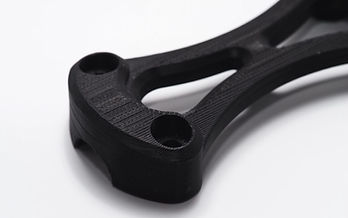
Nylon – Tough, Wear-Resistant & Slightly Flexible
Nylon is ideal for moving mechanical parts, offering durability, low friction, and a balance of strength and flex.
-
Best For: Gears, hinges, bearings, tool parts, mounts under strain
-
Pros: Excellent wear resistance, semi-flexible, self-lubricating feel
-
Cons: Sensitive to moisture — must be stored and used dry
-
Not Recommended For: Projects that don’t involve motion or wear
PETG

PETG – Strong, Weather-Resistant, All-Purpose
PETG strikes a balance between toughness and flexibility. It’s ideal for parts that need to survive outdoors or under light mechanical use.
-
Best For: Outdoor brackets, protective covers, containers, load-bearing enclosures
-
Pros: Water-resistant, chemical-resistant, more flexible than PLA
-
Cons: Can be prone to stringing on detailed prints
-
Not Recommended For: Parts requiring precise fine detail or extreme heat
TPU

TPU – Flexible, Shock-Absorbing & Durable
TPU is a flexible rubber-like material used for parts that need to bend, flex, or absorb vibration.
-
Best For: Phone cases, seals, bumpers, vibration dampers, wearable parts
-
Pros: Stretchy, durable, resistant to wear and tear
-
Cons: Not rigid — doesn’t hold shape under load
-
Not Recommended For: Structural or load-bearing parts
WOOD

Wood Filament – For Natural, Decorative Projects
A PLA blend with real wood fibers that gives prints a warm, wood-like look and feel — perfect for aesthetic pieces.
-
Best For: Décor, figurines, signs, custom gifts
-
Pros:
-
Real wood texture and finish
-
Can be sanded or stained
-
Unique grain effect from print temperature
-
-
Cons:
-
Brittle, not for functional use
-
Absorbs moisture; not outdoor-safe
-
-
Avoid For: Structural parts or anything load-bearing